
Xu Xiaocheng, a Shenzhen-born entrepreneur who returned to his hometown of Dapeng to start a tourism business, has spent the past decade developing resort brands while promoting closer ties between tourism businesses and local communities.
A representative of Shenzhen’s younger generation of entrepreneurs, Xu has founded several tourism and hospitality brands, including SENSEA, Yuewan and Secret Garden. His businesses have also created jobs and provided platforms for young people seeking to start businesses in Dapeng.
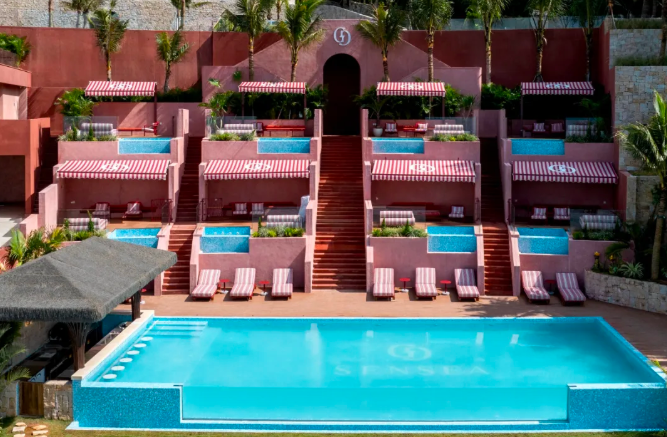
SENSEA resort
Xu chose Dapeng Peninsula as the base for his business because he saw potential in its combination of mountains, coastline and traditional fishing villages. He also cited the local business environment, including streamlined resource coordination, efficient approvals and entrepreneurship support, as factors behind his decision.
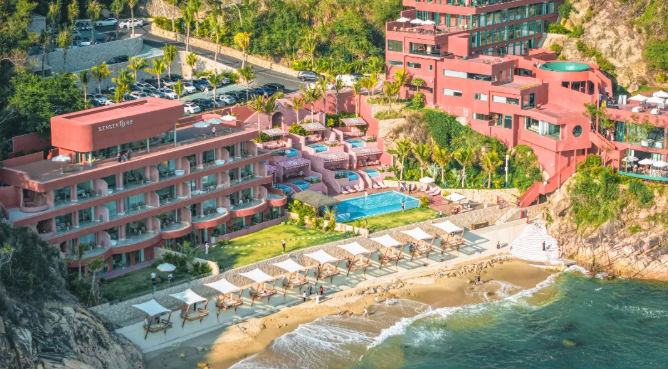
His flagship SENSEA project was designed around the principle that architecture should follow the natural landscape. Built along the mountains and coastline, the resort combines accommodation with restaurants, a wedding venue, a sunset café, a photography gallery and spaces for cultural heritage events.
As homestays have become increasingly common in Dapeng, Xu has shifted the focus from accommodation alone to integrated vacation experiences. The resort connects guests with marine activities, nature-based educational programs, nearby attractions and local restaurants, encouraging longer stays and deeper engagement with the area.
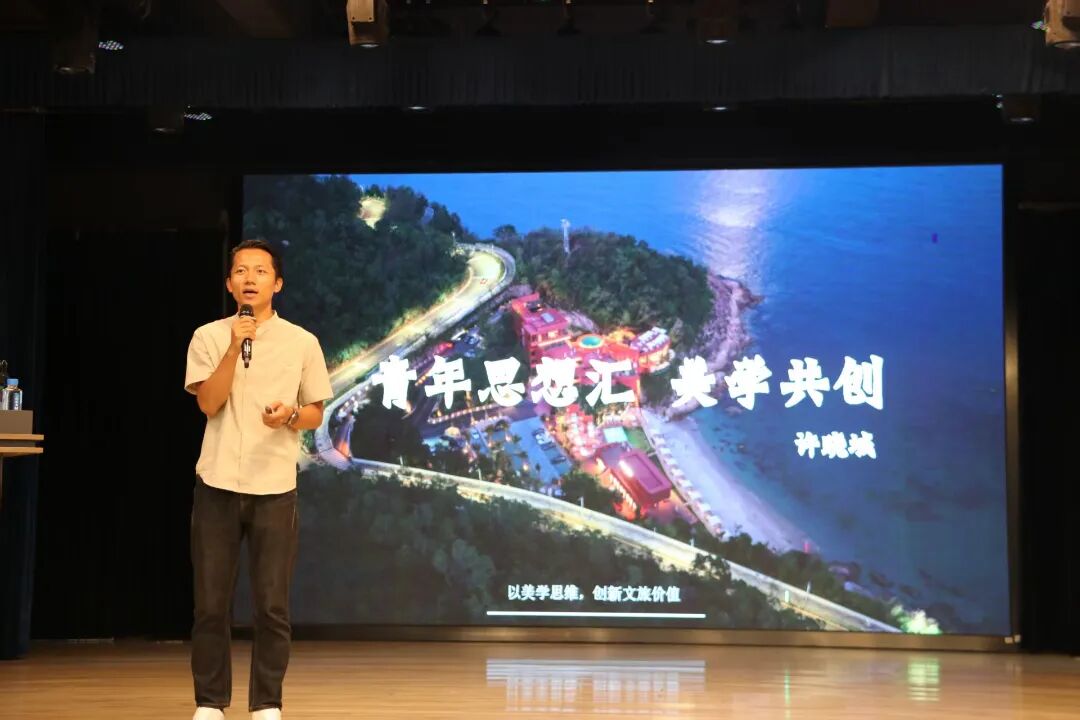
Xu Xiaocheng
The approach also extends to the surrounding community. SENSEA works with Xichong Community and local cooperatives on safety management, tourism training, youth entrepreneurship programs, marketing and investment outreach.
SENSEA currently employs more than 100 people, including about 80 permanent staff. During peak seasons, it adds more than 30 trainees and temporary workers, as well as college interns as needed.
Xu said the local tourism market is shifting toward integrated resorts, deeper integration between communities and attractions, stricter environmental requirements and experience-oriented travel. Competition, he said, increasingly depends on content, product development, customer service and risk management rather than simply on room design and pricing.
Website Identification Code:
4403930001
 Record Number With Public Security Organs:
44031202000003
